
The mental health benefits of inclusion
Have you ever noticed how good it is when you feel part of a group? When you’re among people where you can be yourself, share your opinions, be listened to, contribute, and be valued, accepted, and respected for who you are?
That’s belonging. It plays a key role in our general happiness, how we feel about ourselves, and the support we receive from the people around us. Which means it can have a big impact on our mental health.
Belonging at work is how you feel. Inclusion is how you create it. An inclusive workplace welcomes different backgrounds, abilities, experiences and ways of thinking. It gives everyone a fair chance to be involved, heard and valued. When this happens every day, people feel more comfortable being themselves, and they can feel like a genuine part of the team.
The benefits of belonging.
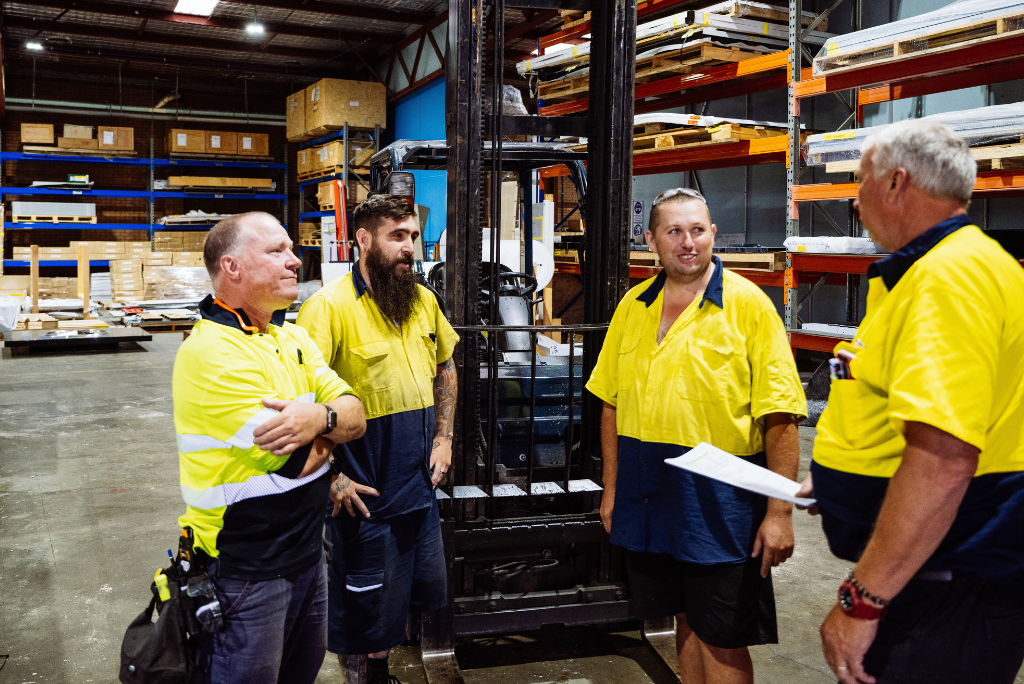
It’s no surprise that feeling included at work can have a real impact on our mental health.
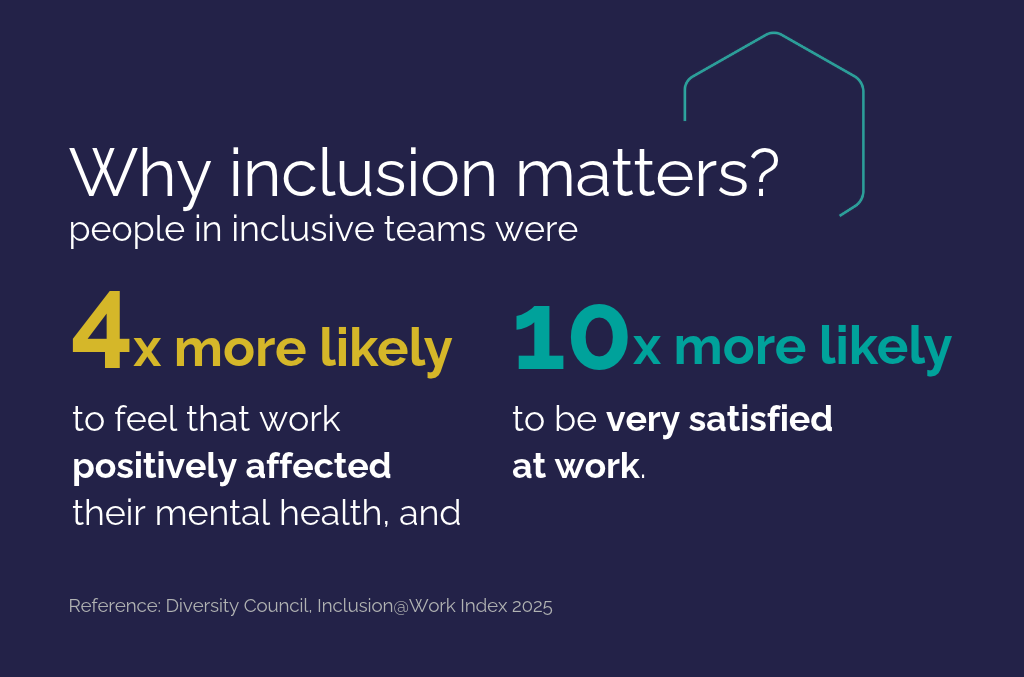
Diversity Council Australia found that people in inclusive teams were four times more likely to feel that work positively affected their mental health and ten times more likely to be very satisfied at work.
When people feel accepted, respected and able to contribute, work can become a source of connection, confidence and support. An inclusive workplace won’t prevent every mental health challenge, but it can help people feel less isolated and more comfortable being themselves.
And when you feel included and know you belong, you feel good. And when you feel good, you perform better, are more satisfied at work and more likely to stay with your employer.
If your organisation has an inclusive culture, not only will you have a more loyal workforce, but you also get to choose from a wider talent pool, bringing different skills, experiences and perspectives into your team. This diversity can lead to better ideas, stronger teamwork and a deeper understanding of customers. Together, these benefits can improve your customer service, strengthen workplace culture, and contribute to your long-term business success.
Why it matters
Business performance isn’t the only reason inclusion and belonging matters. It matters to people’s health and wellbeing.
Poor mental health isn’t always obvious, especially when someone keeps turning up and getting the job done. Comcare highlights that early understanding and support can improve recovery and help reduce mental health stigma and discrimination. If you’re a team leader or manager, it doesn’t mean you have to diagnose a mental health issue. It just means noticing when someone may be struggling, checking in and asking what support could help.
Signs someone may be feeling isolated or disconnected
Here are some signs that a person may not be feeling great. You might notice someone is:
- contributing less in meetings or conversations
- pulling away from team activities
- becoming reluctant to share ideas or ask for help
- seeming flat, frustrated or unlike themselves
These signs don’t always mean someone is struggling. But they are a reason to check in.
How leaders can build inclusion and connection
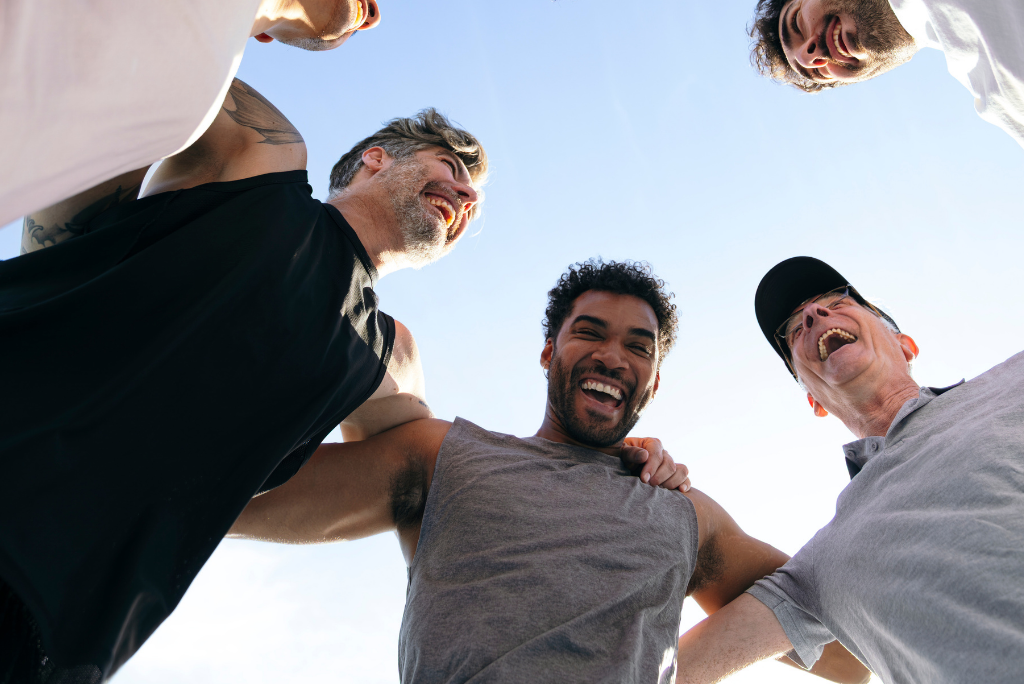
Belonging is built through everyday actions. Here are a few things you can try.
- Notice who is being heard. Make space for quieter voices.
- Make things clear. Explain decisions and unwritten workplace rules.
- Offer different ways to connect. Try one-to-one conversations, small groups and shared breaks.
- Recognise people. Say what they contributed and why it mattered.
- Check in privately. Ask how someone is going, listen and follow up.
- Act on exclusion. Don’t leave disrespect for the person affected to manage alone.
- Remember who isn’t in the room. Keep remote and absent workers involved.
How to support men at work or at home
It doesn’t take much. Small, consistent gestures go further than one big conversation.
- Tell them they matter. Be specific about the difference they make.
- Keep inviting them. Someone may say no because they are tired, worried or don’t want to be a burden.
- Check in genuinely. Find a quiet moment and give them time to answer.
- Share ordinary time. A coffee, walk or call can make connection easier.

Recognising Men’s equality month and International Men’s Day
November is an opportunity to reflect on men’s equality, health and wellbeing, culminating in International Men’s Day on 19 November. The day recognises the positive contributions men make to their families, workplaces and communities, while also encouraging honest conversations about the challenges they can experience.
This International Men’s Day, the focus is on ‘The Future is for everyone’. A timely reminder of the importance of equality and to highlight the fact men continue to face significant health and wellbeing challenges, and are falling behind. In Australia, men die by suicide at three times the rate of women and, on average, live four to five years less.
International Men’s Day reminds us that creating space for men to feel heard, supported and connected is not only important for individuals. It helps families, workplaces and communities function at their best.
A small activity for this month
In the spirit of International Men’s Day, take a moment this week to celebrate the men in your life and the positive contributions they make.
Choose someone and let them know about something they do that you appreciate or that makes a difference.
Keep it simple: “I noticed what you did. It made a difference.”
Belonging grows when people feel seen and valued. A few genuine words of appreciation can be a simple way to strengthen that sense of connection.
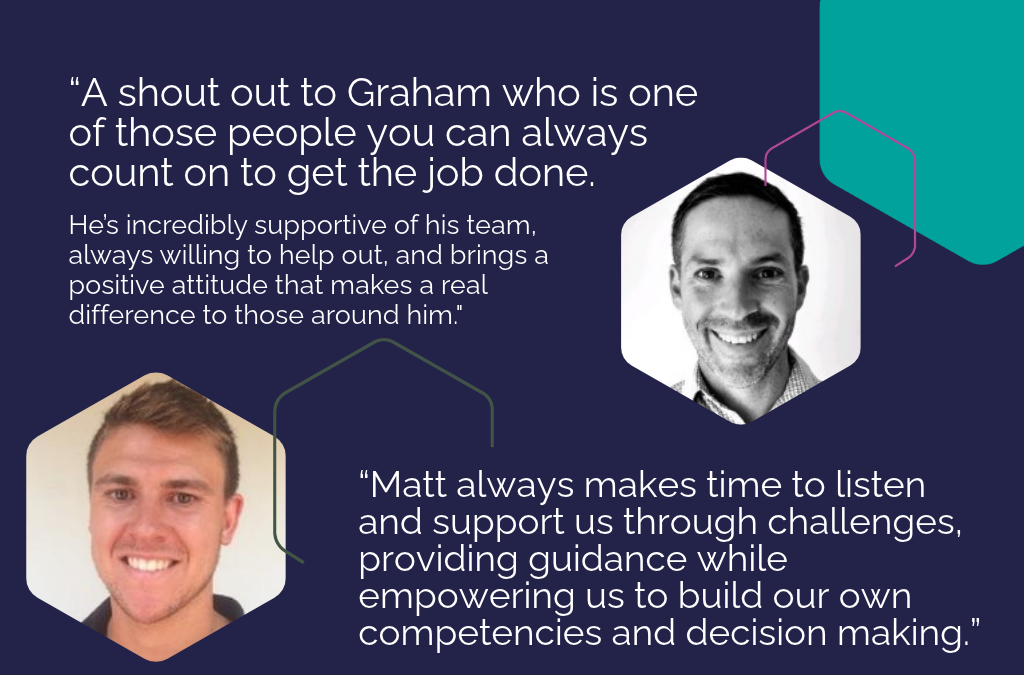
We asked the same question of our teams and here are a few of the responses:
Some sources that were useful in the writing of this include:
- Diversity Council Australia, Inclusion@Work Index
https://www.dca.org.au/inclusion-work-index-hub - Comcare, How managers can support worker mental health and wellbeing
https://www.comcare.gov.au/safe-healthy-work/mentally-healthy-workplaces/how-managers-can-support-worker-mental-health-and-wellbeing - Comcare, Supporting return to work
https://www.comcare.gov.au/safe-healthy-work/healthy-workplace/work-design/better-practice-guides/supporting-return-to-work - International Men’s Day, Objectives of IMD
https://internationalmensday.com/about/objectives-of-imd/