
Every year, Veterans’ Health Week allows us to shine a light on the health and wellbeing of veterans and their families.
For leaders in the workplace, it’s also a great opportunity to understand what it’s like for a person to leave the Defence Force, what they can bring to your organisation, and how you can help someone find new purpose and belonging.
It’s important to remember that leaving the military is more than a career change.
For someone in the Defence, being in the military is a big part of their identity. Military life provides a clear role, strong routines and shared purpose. They train together, rely on each other and work towards the same goals. It’s more than a job. It’s a way of life, and a community.
Moving from military life to civilian life can mean everything changes at once. A person may lose familiar routines, status, identity, support networks and regular contact with service friends. They may also have a new job and an unfamiliar workplace culture to understand.
Because it’s such a major transition, adjusting to civilian life and building a new sense of identity and purpose can take time. Not every veteran will struggle, but it’s more than leaving the uniform behind and starting a new job.
Some veterans may also be managing a physical injury, chronic pain, a health condition or psychological challenges from when they served. This can add another layer of complexity to the transition, affecting their confidence, identity and how they approach work.
Recognising these factors can help employers offer the right support.

A valuable set of skills.
While veterans may be leaving a lot behind, what they bring to your workplace can be incredibly valuable.
Veterans are used to teamwork, taking responsibility and staying focused under pressure. They may bring strong skills in leadership, planning, problem-solving, risk awareness and decision-making.
Many also bring valuable soft skills, such as being reliable, communicating clearly, and supporting their teammates. They are also good at adapting when plans change, learning quickly and keeping the broader goal in mind.
Sometimes a veteran won’t see these strengths as anything special, because they were just expected in Defence. This is where a good team leader can help. Helping someone understand how their experience translates into the workplace and what they have to offer allows them to see where their skills fit and how their work contributes to the organisation.
Knowing why their job matters and what they bring to the role can help rebuild some of the purpose and direction that came with service.

How to support a veteran in your workplace.
You don’t need to understand every part of military life to provide useful support and direction. As with many things, it starts with clear communication and good conversations.
- Make things clear. Explain their responsibilities, your workplace processes and what success looks like. Don’t assume that every unwritten rule of civilian work is obvious.
- Recognise their strengths. Help them understand how their experience translates into the skills your team needs, and how they fit in. Build these strengths with good feedback and provide opportunities to keep developing.
- Build belonging. Make sure they are introduced to the wider team and include them in everyday conversations. A buddy or mentor can make a new workplace feel easier to navigate.
- Check in. If someone seems withdrawn, frustrated or unlike themselves, ask how they are going. Do it in a place they feel safe to talk about it.
- Don’t push for details. Let them decide what they feel comfortable sharing. Listen without looking for more information.
- Give it time. Everyone adjusts differently. It may take time to build confidence, settle into new routines and feel part of the team. Be patient, stay flexible and keep checking in.
- Offer practical support. This could mean clearer priorities, some flexibility, another conversation, or help them connect with a health professional, your Employee Assistance Program if you have one, or Open Arms – the government’s free, confidential 24/7 mental health and counselling services for ADF personnel, veterans, and their families.
How veterans can support themselves and each other
Men often find it easier to offer help than ask for it. Veterans may also be used to focusing on the task and looking after the people around them first. These are a few tips you can share if you think they might help.
- Give yourself time to adjust. Feeling unsure about things doesn’t mean you’re failing.
- Create some structure around sleep, exercise, work and the things you enjoy.
- Stay connected with service mates while also building new friendships and communities.
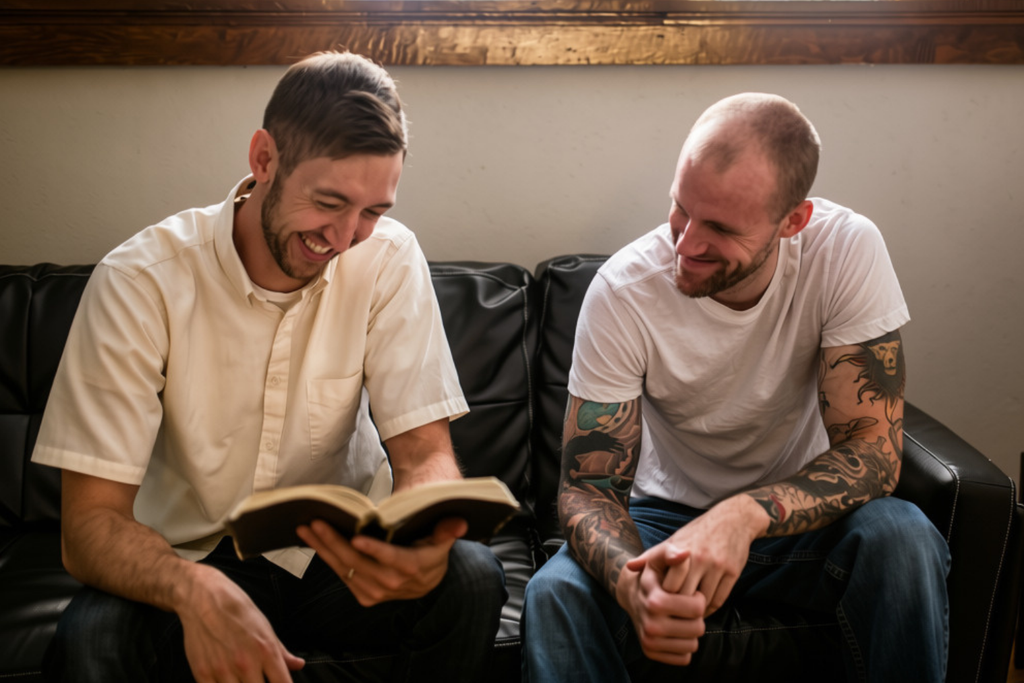
- Talk honestly with another veteran or mate. It can give them permission to do the same.
- Use your skills somewhere they can make a difference through work, study, volunteering, sport or mentoring.
- Reach out early if things are becoming difficult. You don’t need to wait for a crisis.
- Find meaningful work. It can provide structure, connection and a feeling that you’re an important part of something bigger.
- Recognise what you bring to the business. Knowing your skills are valued can build confidence in yourself and help make the transition a positive one.

Leaving the Defence Force can be a step into the unknown. A person may lose connection to things that were familiar, but that doesn’t mean leaving every part of that identity behind and having no purpose.
With understanding, genuine opportunities and real connection with new people and communities, veterans can bring their strengths into civilian life and build a new sense of purpose and belonging. As managers, colleagues, friends and family, we can all play a big part in making this happen.
Finding support for the next step
Finding meaningful work can help create structure, connection and a renewed sense of purpose after leaving the Defence Force. The Australian Government’s Veteran Employment Program is a valuable online resource for both veterans and employers, providing information and support to help make the transition to civilian employment a positive one.
Veterans can access practical information to help translate their ADF experience into civilian skills, navigate the job search, understand civilian workplace culture, or even access support for starting their own business.
Visit the Veteran Employment Program website to find resources, and speak with Acumen Health for support in your next step.
Some sources that were useful in the writing of this include:
- Open Arms: Open Arms – Thriving in civilian life
- Open Arms: Open Arms – Understanding the veteran experience
- Dept. of Veterans’ Affairs: Veteran Employment Program – Veteran employee on-boarding
- Dept. of Veterans’ Affairs: Transition to Civilian Life
Open Arms offers free, confidential counselling for current and former ADF members and their families. Call 1800 011 046.