

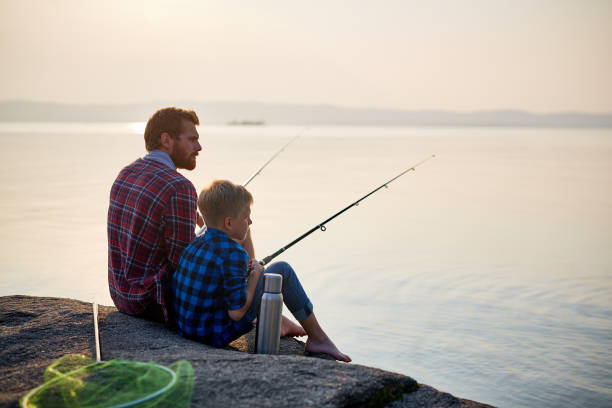
On International Men’s Day, we’re reminded of the importance of standing shoulder to shoulder—working together to support men and boys in building resilience and maintaining mental strength. This year’s theme, “Supporting Men and Boys,” is more than a slogan; it’s a call to action for communities, workplaces, families, and schools.
Why “Shoulder to Shoulder” matters
Mental health is not a solo journey. Men and boys often face unique challenges that can make seeking help difficult:
- Stigma around mental health: Many still believe asking for help is a sign of weakness.
- Pressure to “be strong”: Cultural norms often discourage vulnerability and emotional expression.
- Isolation: Limited safe spaces for open conversations can lead to silent struggles.
These barriers have real consequences. Research* shows men are less likely to seek professional help for mental health concerns, which can lead to higher rates of stress, burnout, and even suicide. Standing shoulder to shoulder means breaking down these barriers—creating environments where connection, empathy, and shared responsibility are the norm.

What does “Shoulder to Shoulder” look like in action?
What does “Shoulder to Shoulder” look like in action?
The Shoulder to Shoulder approach is about connection without confrontation. It’s about walking, working, or sitting together in a way that feels natural, respectful, and safe. For many, this style of engagement is more comfortable than face-to-face conversations, and it can be the difference between silence and speaking up.
Here’s how we can make it real for both men and boys:
Everyday actions for all ages:
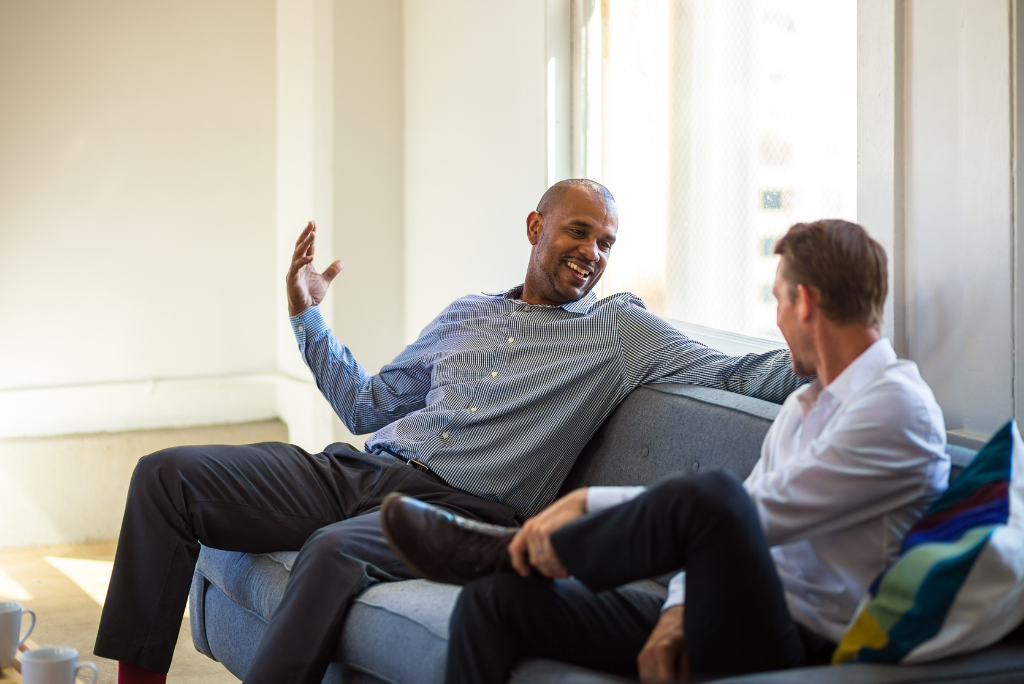
- Be present through shared activities: Sit beside someone, go for a walk, work on something together, or enjoy everyday moments—like driving, cooking, watching a game, or kicking a ball. These shared activities create natural opportunities to check in and have meaningful conversations without pressure.
- Listen without fixing: Sometimes, just being there and listening can make a huge difference.
- Share resources: Tools like Movember Conversations and myCompass offer practical ways to manage mental health.

In workplaces and communities:
- Create informal spaces for connection: Encourage casual check-ins—whether it’s a walk around the block, a coffee catch-up, or a shared lunch.
- Train leaders in strength-based support: Equip managers and mentors with tools to recognise distress and respond with empathy.
- Promote peer support networks: Buddy systems, mentoring programs, and informal peer groups foster mutual respect and shared experience.
- Embed mental health in policies: Include Shoulder to Shoulder principles in induction materials, wellbeing plans, and return to work programs.
For parents, carers, and educators:
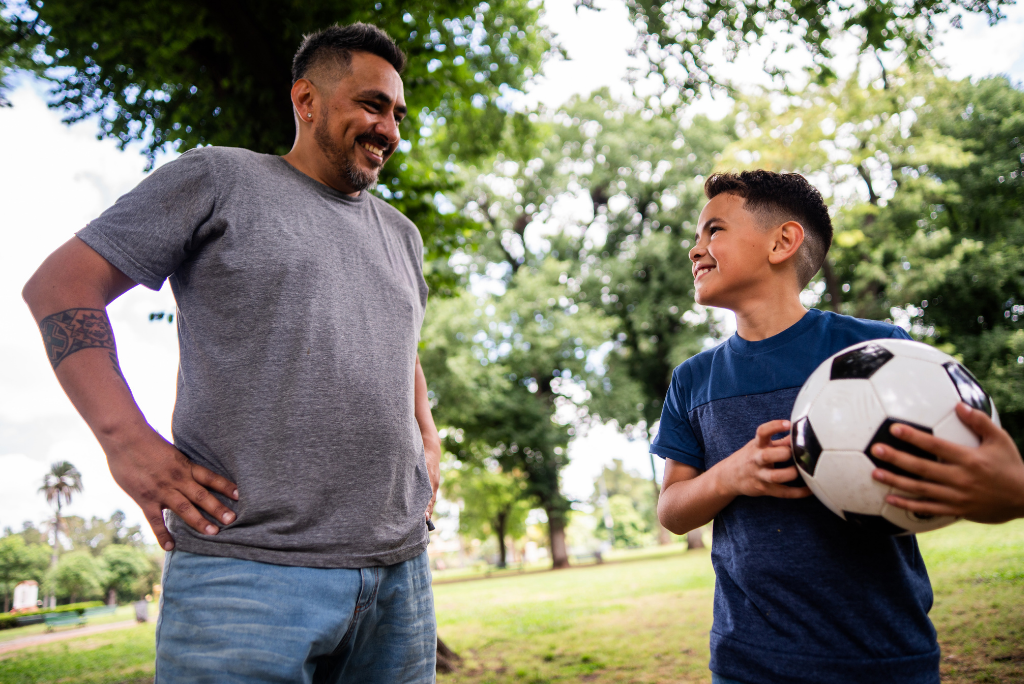
- Model emotional openness: Let boys see you talk about your own feelings—it helps normalise emotional expression.
- Encourage peer connection: Support friendships through sport, clubs, or community groups.
- Create safe spaces: Classrooms, sports teams, and youth groups can foster belonging and emotional safety.
- Watch for changes: Withdrawal, irritability, or changes in sleep or appetite can be signs someone is struggling.
The broader why
Supporting men and boys isn’t just about individual wellbeing—it’s about strengthening families, workplaces, and society. When men and boys feel supported, they are better equipped to contribute positively to their communities, nurture healthy relationships, and model resilience for future generations.
Mental strength is not about facing challenges alone. It’s about standing together—shoulder to shoulder—so that no one feels they have to carry the weight by themselves.
Our commitment
At Acumen, we believe in creating environments where men and boys can thrive. We’re committed to:
- Promoting mental health awareness and resources.
- Encouraging open conversations in our teams, networks, and communities.
- Celebrating positive role models who lead with empathy and integrity.
Join the conversation
What does standing shoulder to shoulder mean to you? How can we better support men and boys in your community?
Reference:
*Staiger, T., Stiawa, M., Mueller-Stierlin, A. S., Kilian, R., Beschoner, P., Gündel, H., Becker, T., Frasch, K., Panzirsch, M., Schmauß, M., & Krumm, S. (2020). Masculinity and Help-Seeking Among Men With Depression: A Qualitative Study. Frontiers in Psychiatry, 11, 599039. https://doi.org/10.3389/fpsyt.2020.599039