
When someone leaves the Defence Force, it’s more than simply finishing a job. It’s stepping away from a way of life that’s shaped who you are and forms a significant part of your personal identity.
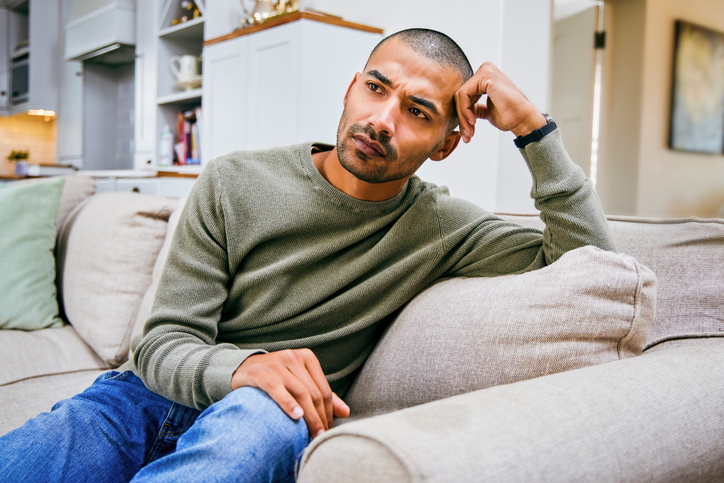
For many men, this transition is particularly challenging. The routine, the common purpose, the camaraderie with colleagues you see every day and night, no longer guide your life. Leaving your role can feel like losing a part of yourself and leaving a person wondering where you fit now.
That’s why it’s important to acknowledge if you’re finding it hard and talk honestly about the emotional and psychological journey of moving into civilian life.
You have to look after your mental health along the way.
And if you’re a loved one, checking in with a veteran regularly shows they have support when they need it.
The challenge of transition
The challenge is a big one. It’s not just finding a new job, it’s about rebuilding your sense of purpose and identity, and adjusting to significant changes in lifestyle, relationships, and routines.
Some of the most common challenges people experience include:
Loss of structure, purpose, and belonging. The discipline and camaraderie of military life don’t automatically exist in civilian workplaces. It takes time to recreate that sense of belonging.[i]
Carrying invisible wounds. Some men are dealing with PTSD, chronic pain, or emotional scars that can make daily life and relationships harder.[ii]
Uncertainty about career and identity. ADF skills don’t always line up neatly with civilian job descriptions, which can knock confidence. The Veteran Transition Action Plan recognises that helping veterans and families with career, financial security, and wellbeing is critical to successful transition.[iii]
Recent Australian research backs this up and tells us that a veteran’s wellbeing in civilian life depends heavily on two key factors – how their military identity is carried forward into their new life, and how connected they feel in their new environment.[iv]

Finding the right support
Accessing therapy to help support your mental health is very important, but it’s not everything. The system in Australia offers a range of supports that can help veterans build confidence, stability, and a new purpose. These include
Vocational counselling and education. Programs like the Defence Force Transition Program offer help with retraining, reskilling, and planning your next step.
Employment and rehabilitation support. The Department of Veterans’ Affairs offers a comprehensive support system designed to reduce stress and open up new opportunities. It covers practical things like return to work programs, rehabilitation, and financial support.
Mental health services. Open Arms provides free, 24/7, military-aware counselling, group programs, and peer support.
Community events and peer networks. The support of others, whether family, friends, or people in the community, means you don’t have to do it alone. Whether it’s a local RSL Club, a veterans’ group, or joining a fitness group or sports club, staying connected with people is essential.
Staying connected
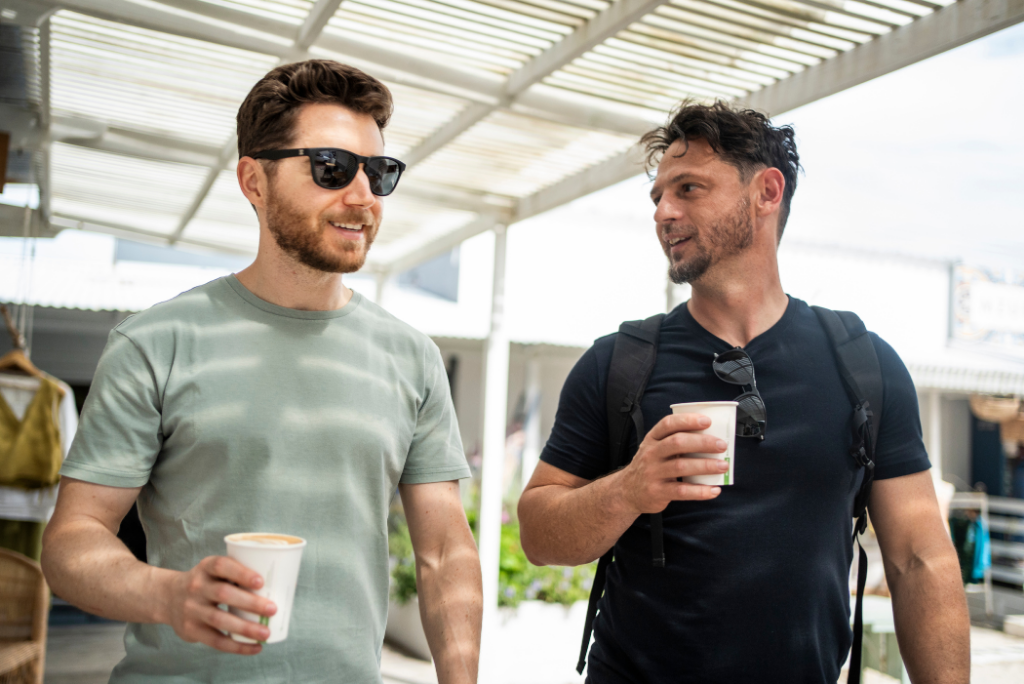
We know that one of the best ways for anyone to protect their mental health is by staying connected. It’s no surprise that the research tells us veterans who nurture strong social ties, whether with mates, family, colleagues, or community groups, report better mental health and smoother adjustment.[v]
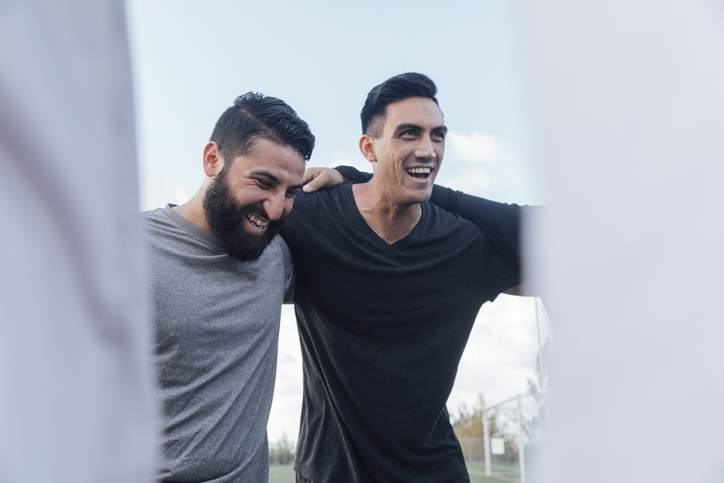
It doesn’t need to be complicated. Joining a local footy team, checking in with a fellow veteran, or saying yes to a local community event can all help build a sense of belonging.
Reaching out or check in
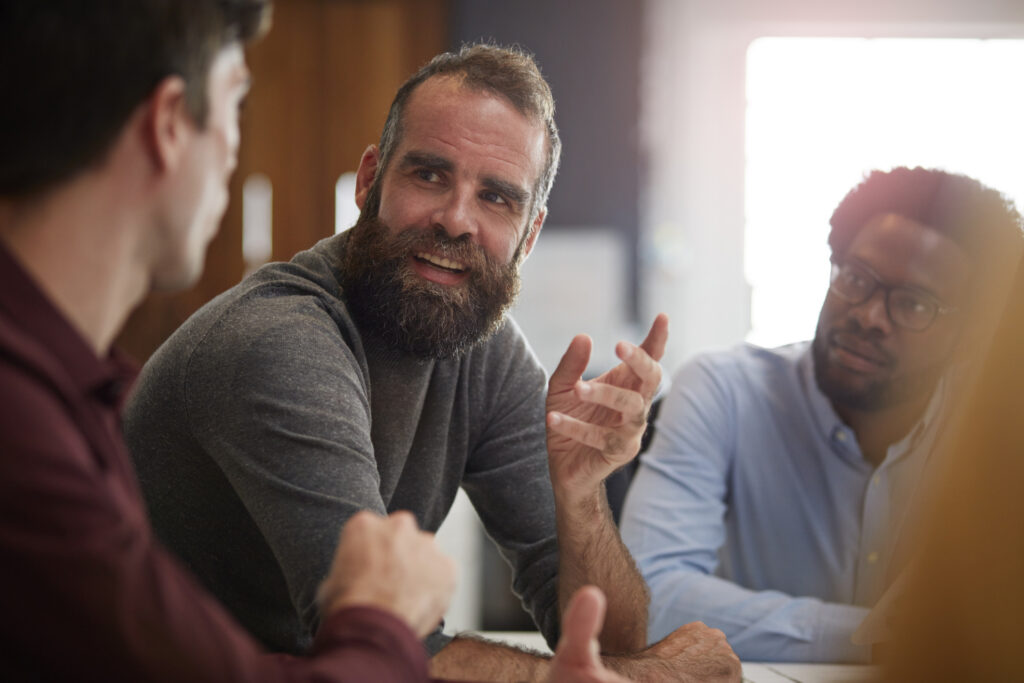
The most important thing to remember if you’re a veteran is that you don’t have to face transition alone. Reaching out to a mate, your GP, or calling a support service like Open Arms is all it can take.
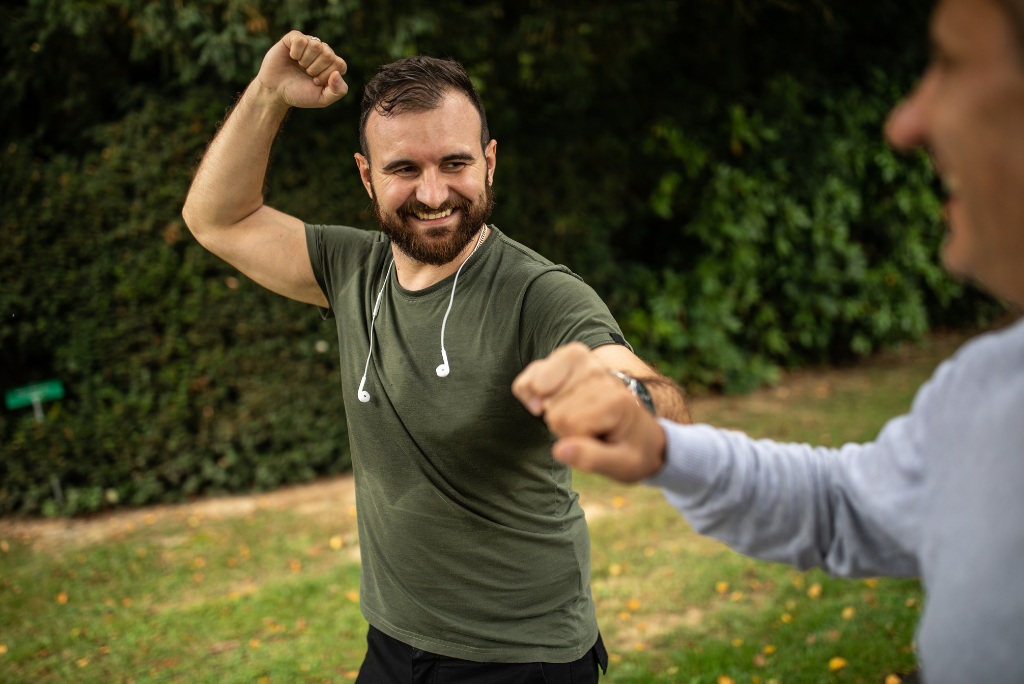
And if you’re a friend, colleague, or family member, check in with them regularly. Ask them how they are going with the change, and just listen. You don’t have to offer any solutions. Just knowing they aren’t alone and have someone they can open up to can make a huge difference. You can point them to the support services mentioned in this article and below, or invite them to something social – keeping them involved with others builds belonging.
And a feeling of belonging in your new life can make the transition that much easier.
Support services
Whether you’re supporting yourself or someone you care for, it’s important to look after your own mental health and wellbeing.
- Open Arms – Veterans & Families Counselling (formerly VVCS) – Provides free and confidential counselling 24/7 to partners and children of those who have served. Call Open Arms on 1800 011 046.
- Counselling and support for families are provided to a veteran’s family to assist with managing challenging life situations.
- Lifeline Australia – Provides free support services if you are in crisis and need to talk to someone.
- 1800 RESPECT – Provides 24-hour counselling services to help you cope with sexual assault or violence.
- Head to Health – Head to Health provides resources and links to a variety of websites and apps to support veteran mental health and wellbeing.
- Joint Health Command – The ADF health and wellbeing portal ‘Fighting Fit’ directs you to a wide range of Defence websites containing information on ADF health and mental health services and support.
- Ex-service organisations – Connect with an ex-service organisation in your local area. These organisations may be able to provide you with support and resources.
- Relationships Australia – Offers a broad range of services to individuals, families and communities across the country, such as counselling, mediation, and family dispute resolution. Contact your state-based Relationships Australia service on 1300 364 277.
References:
[i] Department of Veterans’ Affairs. Transition to civilian life. www.dva.gov.au/what-we-help-with/leaving-the-adf-and-moving-into-civilian-life/transition-to-civilian-life
[ii] Open Arms. Understanding the veteran experience. www.openarms.gov.au/health-professionals/about-veterans-and-their-families/understanding-veteran-experience
[iii] Department of Defence. Veteran Transition Action Plan. www.defence.gov.au/sites/default/files/2024-12/veteran-transition-action-plan.pdf
[iv] Flack, M., & Kite, L. (2021). Transition from military to civilian: Identity, social connectedness, and veteran wellbeing. PLOS ONE. https://doi.org/10.1371/journal.pone.0261634
[v] Flack, M., & Kite, L. (2021). Transition from military to civilian: Identity, social connectedness, and veteran wellbeing. PLOS ONE. https://doi.org/10.1371/journal.pone.0261634