


This week we explore practical, evidence-based strategies men can use to strengthen mental resilience—like sleep hygiene, mindfulness, physical activity, and routine check-ins. Let’s dive in!
Mental Fitness. Daily habits that build your resilience
If you want to improve your mental fitness, it’s good to think about it like any other physical strength – you can build it over time with regular training. It’s like going to the gym or running a few times a week to increase strength and fitness: a few everyday actions can help boost your ability to handle stress, take setbacks in your stride, and keep going when you’re facing challenges.
Like building any strength, the key is consistency. It’s training your brain to be more resilient. Small daily practices can gradually improve your focus, help you better control your emotions, and build your confidence and ability to cope.
10 everyday exercises to build mental strength and fitness
Here are 10 easy exercises you can work into your daily life to build your resilience over time.

1. Sleep is recovery Good sleep helps your brain recover, reduces stress and recharges your body, allowing you to better cope with stress. You can improve your sleep by sticking to a regular bedtime, stopping the screens in bed, and prioritising your sleep routine rather than fitting it around everything else. Aim for eight hours a night.
2. Get moving regularly Physical activity supports mental health by improving your mood, lowering stress and helping you feel more capable and energised. It doesn’t need to be a big workout. A walk to work or at lunch, a gym session, a swim or a bike ride are all good. The key is finding something you can do regularly enough that it becomes a normal part of your week.
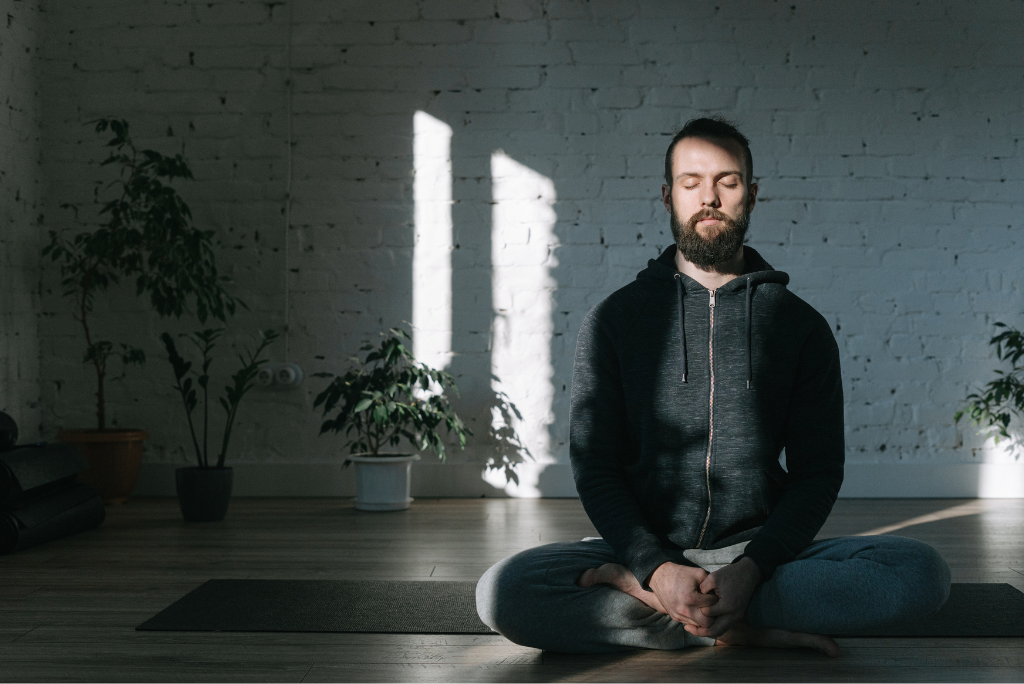
3. Build in mindfulness practices Mindfulness helps you focus your attention and gives you a better chance of responding calmly and thoughtfully rather than with knee-jerk reactions to stressful situations. Keep it simple by starting with two or three minutes of slow breathing, quiet sitting or guided meditation each day. Doing this consistently can help you feel more in control of your thoughts and emotions.
4. Create structure in your day Routine can help make life feel more manageable, especially when things get busy. A bit of structure helps keep you steady and calm. Start small by waking up at a similar time (good for sleep routine too), eating regular meals, and planning a few key parts of your day.

5. Stay connected to other people There’s a lot of strength in staying social. Having people you can relax with, have a laugh with or talk to makes a big difference when stress builds. Try to make these catch-ups part of your weekly life, not people you reach out to only when things get tough. All it takes is a message, a call or a quick coffee to feel connected.
6. Don’t unwind with alcohol A drink at the end of the day can feel like a good way to unwind from the day’s stress, but over time it can affect sleep, mood and your ability to handle stress. If you notice you’re drinking to cope rather than enjoy yourself, try going for a walk, swapping it out for a tea, or some mindfulness exercises (see #3).

8. Head outdoors Some space and fresh air can lower your stress levels, get you up and moving and away from a screen, and reset your mind. It can also be a good way to get moving regularly (See #2). It’s easy if you make it part of your regular day, like a walk at lunch, going for a coffee or taking the dog out for a run.
9. Make time to reflect Resilience isn’t always being positive. But it can be about seeing the positives amongst the stress, like noticing progress and what’s going well. A short reflection habit can help with this. Try writing down one thing that went well, one thing you handled well, or one thing you are grateful for at the end of the day.

10. Don’t go it alone One of the best things you can do is reach out to someone before things get too much to handle on your own. Early support can stop small stress from building into something bigger. Talk to a mate, your partner, a colleague, a manager, or a health professional. Resilience is not going it alone; it’s knowing when to use the support around you.
Remember, mental fitness is built through steady effort, everyday actions and easy exercises. You don’t have to start all these exercises at once. And maybe you’re already doing some. Start with one or two practices that feel achievable and build from there. Over time, those small actions can build your resilience and better handle whatever comes your way.